- Drink a lot of water.
- Daily exercise to help the immune system get rid of toxins.
- Allow Vitamin D from the sun on the skin for a healthy time (don't tan). My recommendation from 9:9-30 a.m. or in the afternoon after 3 p.m. for 30 minutes only.
- Apply extra virgin coconut oil on the skin at night and wash with filtered water in the morning. Do not use soap. If you are indoors all day then apply coconut oil three times a day. Wash face with filtered water only. If you use the coconut oil during the day it will have a greasy look. Apply a very thin layer only and allow to absorb in the skin 30 minutes before you go to work or any indoor event.
- Eat 1tsp. of virgin coconut oil at each meal. "Do not eat too much at first because this naturally detoxifying oil may trigger diarrhea-like symptoms especially before your body has adapted to its potent detoxifying effect internally. Once your body gets used to virgin coconut oil after 7 days or so, you can then gradually increase the dose up to 3 tablespoons a day, again, spread throughout the day. When using virgin coconut oil both internally and externally for acne treatment, you may experience 2-5 weeks of toxin-purging via your skin and bowel movement." ( fussybody.com)
- "Advice: Despite its healing benefits on acne, virgin coconut oil cannot permanently stop your acne from breaking out. Why? That's because you have yet to fix the root cause of acne. STOP INTOXICATING YOUR BODY! Avoid : Animal proteins such as meat, fish, dairy (e.g. milk, cheese) and/or eggs , caffeinated beverages, little sleep, store bought makeup (toxic chemicals can enter your bloodstream through your skin or even get stored in the tissues under your skin), junk food (it includes foods with preservatives and colors), and stress, fear, anger, and frustration." ( fussybody.com) Alicia Silverstone from "The Kind Life" explains how she cleared Cystic acne :
"1. I started eating whole grains at every meal.
2. I had miso soup once a day and cranked up my consumption of vegetables.
3. I chose local and seasonal produce (apples instead of pineapples for example) instead of eating the non-indigenous fruits I’d been eating on the raw diet.
4. I cut out white sugar, white flour and all processed foods. Of course, I continued to avoid all meat and dairy.
5. In general I cut way down on fruits and nuts."
This two sources recommend no animal products. If you feel you need them for your health just avoid them during intense acne problems. Each body is different and you have to do what works for you! One thing though make sure you consume lean animal products and make sure they are organic. Do pursue eating wildcaught fish if you need animal protein.
- While you area at it read this article: The7 Ingredients To Ban From Your Bathroom
- Eat a diet rich in vegetable carbohydrates. "A plant-based diet that embraces natural and fiber-rich whole foods can also help you prevent constipation since constipation increases your liver's detoxification load when the wastes get stuck in your colon for too long and the toxins get resorbed into your bloodstream."( fussybody.com)
- Check out the dirty dozen and the clean 15 list to find out which produce doesn't have pesticides before you purchase produce
- Dr. Mercola advises vegetable carbohydrates until acne condition is controlled. I suggest to buy and consume fresh organic produce during the time of intense acne flareups. Here is his recommended general health fresh vegetable list:

Indulge in Vegetables, Limit Processed Foods to Control Acne Flare-Ups
Our body tries to tell us something and we usually just ignore it. If we fall and scrape our knees we feel immediate pain. Acne might be trying to tell you something about your overall health that needs to be addressed."Any meal or snack high in refined carbohydrates (i.e. grains and sugars) will generate a rapid rise in bloodglucose. To adjust for this rapid rise, your pancreas secretes the hormone insulin into your bloodstream.High blood sugar levels cause repeated surges in insulin and this causes your cells to become "insulin-resistant," which leads to the production of even higher levels of insulin, and, eventually insulin resistance, another key factor linked to acne. Prolonged excessive insulin secretion can also eventually burn out your pancreatic beta cells which produce it, leading to "double diabetes," a mixture of type 2 and type 1.This is why, if you struggle with acne, you want to avoid all foods that contribute to insulin resistance (namely sugar and grains), not just the gluten-containing grains. The best way to know if you are insulin/leptin resistant is to measure your fasting insulin level. If it is below 3, you are not likely resistant.However, if you are overweight, have high blood pressure, diabetes, cancer, or abnormal cholesterol levels, it is likely that you have some element of insulin/leptin resistance and you would likely benefit from restricting your intake of sugars and grains until the conditions resolve.You'll be happy to know that simply eliminating grains, sugars (particularly fructose), cereals, potatoes, corn, rice, pasta, processed foods, etc., radically improves acne for most people. Fruit contains a fair amount of fructose, so it should be consumed in limited quantities if you are predisposed to acne. Or, at least focus on the low-sugar, high-nutrient-dense fruits like berries.And fruit juices should be strictly avoided since the sugar is very concentrated in them, without the buffering effect of fiber, pectin, and other food cofactors present in whole, raw, organic fruit. Fresh vegetable juices are great, though, especially green juices, as are most vegetables, which are slow to break down into simple sugars, with minimal insulin impact. "(Foods To Avoid for Acne)
- Try eating Sauerkraut and other fermented foods on a daily basis. Purchase organic products and make sure it is not loaded with preservatives. If you can make your own it would be better!
- Wake up and drink a shake made up with Love and Peas and Green Zone (it contains prebiotics) from Nature Sunshine. Also consume the other products listed for intestinal flora health:
*Bifidophilus Flora Force
*Probiotic 11
- Use Oregamax (from oregano oil) as a natural antibiotic to kill internal bad bacteria . Antibiotics will always kill good friendly gut bacteria so make sure to take products mentioned above to maintain good intestinal flora (always take them in between doses of the Oregamax).
- Try taking a mineral supplement and also a vitamin supplement until you reach a 100% organic raw diet! By organic raw diet is considered a diet full of fresh uncooked vegetables and fruit. After that you may not need this kind of supplementation. A raw diet might not be for you but do give a try until acne is under control. Our guts do love vegetables and fruit. They need those foods for many body processes.
- Drink lemon water during the day to improve ph levels in the body when eating acidic diets (specially diets that contain animal proteins and refined carbohydrates. Aim to start training the body to consume those less).
- Learn to grow green lettuce and several varieties of greens in your garden. You will save lots of money. You will need them for your salads and smoothies. Try consuming a pound a day of leafy greens! My nephew just got his own place and will be a shophomore in college. He purchased a magic bullet to make healthy recipes and smoothies. A more powerful blender to save for would be the vitamix. With the vitamix you can put the whole entire vegetable and it dissolves into drinkable smoothies and you can make raw vegetable soup in there too!
- Prepare raw salad recipes. Check out this blog for great inspirations: Rawmazing and Melomeals
- Learn to sprout grains and beans to add rich nutrients to your diet. Safety recommendations apply at the end of the article: How to Soak & Sprout Nuts, Seeds, Grains, & Beans
- There are wonderful foods that help nourish our skin. 6 Best Foods Homemade Facemasks You can use those topically. I like using papaya a lot.
- Learn to use stevia as a sweetener. No sugar or any other swetener allowed. My friend gave me stevia seeds. I gotta learn how to grow the plant. I tasted the plant and I liked it much better than the comercially sold powder.
- Debra's Natural Gourmet recommends to apply Calendula Diaper Care (by Weleda) on the face because it contains Zinc. " Zinc helps the immune system fight off bacteria, is needed to process fats and oils in the body, and helps process testosterone. 13- and 14-year-olds have the lowest zinc levels of any age group, and acne sufferers are even worse off, with less zinc in their blood, hair, nails, and skin compared to others their own age. When you see this, and then remember how important zinc is for normal growth, wound healing, brain chemistry, and liver health, you’d probably want to take zinc acne or not." Don't use coconut oil on face if you do this. " Foods that should be especially helpful are those that are cleansing or nourishing to the liver. Think radishes (including daikon and horseradish, even wasabi), as well as burdock root, turmeric, artichoke, and fresh Mediterranean leaf herbs like basil, oregano, and thyme. Garlic and onions should be used liberally. A dish of steamed greens with olive oil, lemon juice, and garlic is a simple cleanser as well, and delicious." she explains. She also advices to avoid dairy. She believes in whole grains (as opposed to refined) and eating avocados, wild salmon, and walnuts. She recommends to take liver cleansing herbs and taking vitamin B6 will help flareups during the monthly period plus a zinc supplement needs to be taken at amounts of 30 mg twice a day.
- Read this article. It will encourage you: Acne: When Raw Food Doesn’t Cure It
- When I was a child I learned that my grandma loved using beets as blush. Just cut a beet in slice and apply directly onto face. My sister usually will carry a fresh slice in the purse and apply at different times during the day by scratching the vegetable so its juice will come out and she can apply unto her cheeks. In 2006 I had a horrible healthproblem that cause a lot of fear to my loved ones. With high levels of nutritional intake, intravenous (IV) minerals and vitamins, and high supplementation I recovered from it. An accupuntarist at the alternative medicine healing center told me that you shouldn't put anything on the skin you are not willing to eat! That really made me think. I always have done very little make up. I love to use Burts Bees lipstick (a natural product). I apply it on my cheeks as a blush. And I only use oils or lotions that are made with healthy ingredients on my skin. I must admit that I am still searching for a mascara that is healthy. The video below has good ideas for healthy homemade mascaras.


- Learn to make a homemade natural sunscreen Homemade Sunscreen
Check out this Oil cleansing method for the skin. Do it after skin issues are more under control.
Here is another article for more varied vegetable oils that nourish the skin and their healing effects: Vegetable Oils Top 10 benefits
The Role of Coconut Oil in Acne Treatment
"So, what is role of coconut oil in Acne treatment? There are a number of nutritive agents in coconut oil that help combat this condition, and the major functions are explained below.
Fatty Acids: Coconut Oil is the source of two of the most powerful antimicrobial agents found in food. These two antimicrobial powerhouses are Capric Acid and Lauric Acid. They are the same acids that are found in breast milk which keep newborn babies protected from infections. When these are applied on the skin, some microbes (good ones) present on the skin convert these acids into Monocaprin and Monolaurin, respectively. This helps to replace the protective acid layer on the skin which is removed through constant washing and wiping by frustrated teenagers. Basically, without the microbial infection, acne cannot develop! Not only external application, but also internal consumption of coconut oil will give you a similar level of protection, but direct application is usually suggested.
Vitamin E: Furthermore, coconut oil is a rich source of Vitamin-E. This keeps your skin healthy and ensures proper functioning of the sebum glands and clears blockage. This means that it treats the actual root cause of acne, not just the behaviors that lead to its appearance, or the symptoms once they have occurred. Hormone regulating-substances, as vitamin-E is in some ways, can reduce some of those natural hormonal fluctuations that lead to the sebum gland becoming hyper-active.
Anti-Inflammatory: Coconut Oil is also soothing to the skin and highly penetrating, so when it is applied, it is absorbed quickly and immediately begins to reduce the inflammation from acne that is already present. Coconut oil also helps heal any sorts of open wounds on the skin from severe cases of acne. Above all, Coconut Oil improves the rate of metabolism. This also indirectly affects proper secretion and hormonal balance, thus curbing the chances of developing acne, and increasing the rate of healing and repair to skin cells damaged by this widespread condition.
Vitamin K: Coconut oil also supplies the body with potassium, an essential nutrient that helps in many bodily functions, one of which is acting as an antimicrobial guard in the skin cells and other areas. Therefore, it joins forces with vitamin-E and the fatty acids of coconut oil to reduce the likelihood of bacterial or microbial infections that lead to acne.
Vitamin A: The final benefit of coconut oil is its high vitamin-A content. This essential vitamin has long been used by people to increase the health and appearance of their skin. This is accomplished because of keratinocyte desquamation. This process is a fancy name for skin-shedding, and vitamin-A helps to regulate it so your skin cells don’t shed too often, leaving underdeveloped fresh cells to fend off toxic agents and microbes from the surrounding air. The regulation also doesn’t let the skin cells stay on too long, which can cause a build-up of excess sebum beneath the cell layers, which leads to acne symptoms. However, for vitamin-A to be effective, it needs to first be chemically transformed into retinoic acid, which is an internal conversion. Therefore, topical application of creams with vitamin-A is not beneficial, you must consume coconut oil, and then allow the vitamin-A to convert and provide you with these skin-shedding benefits.
As mentioned before, coconut oil can be either topically applied or consumed. Some experts recommend both internal and external use for maximum benefits, and only 2-5 tablespoons are needed each day to have an effect. It can be added to food, or even eaten straight, as it has a pleasant taste.
Choice of Coconut Oil
To use coconut oil for the treatment of acne, you should choose the highest quality available. Do not go for the unrefined, crude variety, since it may be unhygienic and may contain dust particles that will further clog the sebum glands.
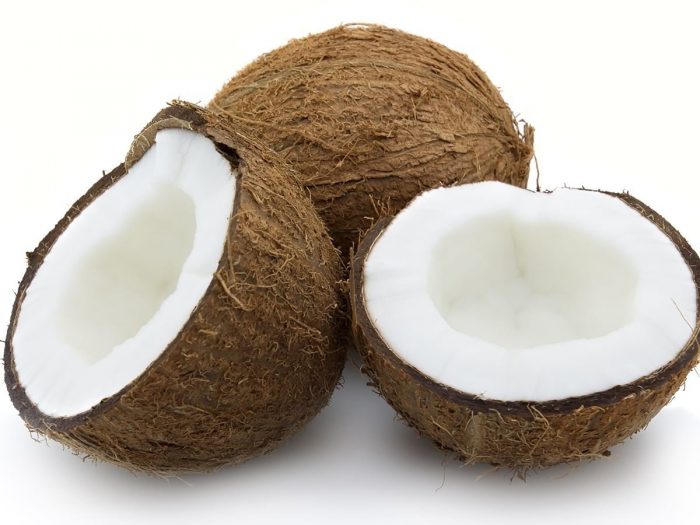
Always choose the refined variety instead. The best choice is typically Virgin Coconut Oil, which may be more expensive, but it has no negatives, and a whole lot of positives.
A Few Words of Warning: Coconut oil does have a wealth of positive effects on the symptoms, severity, and healing process of acne, but it is still classified as a light-microbial agent. This means that against firmly ingrained or serious cases of acne, it cannot be your only method of treatment. You should approach the problem from numerous angles, but if you have a serious or sever case of acne, you will most likely need more defensive and preventative methods than simply coconut oil.
The Last Word: Results may vary from person to person depending upon their skin type, age, profession, lifestyle, eating habits, hygiene, and sanitary behavior. It should also be remembered that coconut oil is not a cure for Acne, simply a treatment. " Article by Organic Facts
Always choose the refined variety instead. The best choice is typically Virgin Coconut Oil, which may be more expensive, but it has no negatives, and a whole lot of positives.
How does Coconut Oil Help Your Acne Treatment?
"Coconut oil helps your acne treatment by:
- boosting your liver's ability to filter out toxins (another vital function of liver) and deactivate used androgenic hormones so as to prevent the buildup of blood toxins and sebum, and hence, keep your skin less acne-prone.
- energizing your cells to help expel toxins through your skin to relieve your liver of detoxification load so that your liver can timely and properly deactivate used androgenic hormones, which in turn, regulate your sebum production and reduce your oily skin.
- stimulating your bowel movement to quickly clear the toxic waste in colon to prevent toxic substances from resorbing into your bloodstream and burdening your liver.
- killing excess acne bacteria and Candida torestore their balance on your skin and in your gut respectively with its antimicrobial fatty acids to hamper growth of bacteria and yeast, and stop bacterial infection, and thus, reduce inflammation and stop hyperproliferation of dead skin cells.
- sloughing off dead skin cells to clear your clogged pores
- penetrating deep into the pores making the plugs (that clog your skin pores) slippery so they get to slide out easily when you massage the affected area.
- calming down your sebum secretion
But that's only provided you use virgin coconut oil for acne treatment. Why? Because virgin coconut oil:
- contains 62-64% medium-chain fatty acids (MCFAs) and less than 1% short-chain fatty acids (SCFAs) which can quickly convert into energy to boost the metabolism of your cells, tissues and organs and strengthen their detoxifying and hormone-regulating abilities.
- comprises potent antimicrobial fatty acids (such as lauric, capric, caprylic and myristic acids etc, particularly lauric acid as it takes up about 50% of the entire content in the oil) that can effectively fight off the overgrowing acne bacteria, Candida, disease-causing germs and other harmful microbes whether on or in your skin, or inside your body.
- doesn't clog pores (non-comedogenic) because it doesn't get oxidized easily and become gluey. Thanks to its 92% saturated fat content. (Oxidized oil can worsen the clog by acting as glue to dead skin cells.)
- "communicates" well with your skin as its MCFAs are similar to (and very much more than) those contained in the sebum. Because of this, virgin coconut oil gets easily absorbed into your skin and moisturizes your skin very well. And when your skin gets well moisturized, it reacts by producing less sebum.
- prevents free radicals from attacking your skin with its antioxidative property (its predominant saturated fats are antioxidants by themselves, hence they can stop free-radical reactions) so that your skin can focus better on making new cells to replace dead cells and thus, fading off and healing acne scars." Article by Fussy Body
But that's only provided you use virgin coconut oil for acne treatment. Why? Because virgin coconut oil:
- contains 62-64% medium-chain fatty acids (MCFAs) and less than 1% short-chain fatty acids (SCFAs) which can quickly convert into energy to boost the metabolism of your cells, tissues and organs and strengthen their detoxifying and hormone-regulating abilities.
- comprises potent antimicrobial fatty acids (such as lauric, capric, caprylic and myristic acids etc, particularly lauric acid as it takes up about 50% of the entire content in the oil) that can effectively fight off the overgrowing acne bacteria, Candida, disease-causing germs and other harmful microbes whether on or in your skin, or inside your body.
- doesn't clog pores (non-comedogenic) because it doesn't get oxidized easily and become gluey. Thanks to its 92% saturated fat content. (Oxidized oil can worsen the clog by acting as glue to dead skin cells.)
- "communicates" well with your skin as its MCFAs are similar to (and very much more than) those contained in the sebum. Because of this, virgin coconut oil gets easily absorbed into your skin and moisturizes your skin very well. And when your skin gets well moisturized, it reacts by producing less sebum.
- prevents free radicals from attacking your skin with its antioxidative property (its predominant saturated fats are antioxidants by themselves, hence they can stop free-radical reactions) so that your skin can focus better on making new cells to replace dead cells and thus, fading off and healing acne scars." Article by Fussy Body
Foods to Avoid If You Have Acne by Dr. Mercola
Diets high in sugar and refined carbohydrates are one of the primary causes of acne
Diets high in sugar and refined carbohydrates are one of the primary causes of acne
Dr. Mercola's credentials:
- University of Illinois at Chicago – (UIC) 1972-1976
- Chicago College of Osteopathic Medicine 1978-1982
- Chicago Osteopathic Hospital 1982-1985 Family Practice Residency. Chief resident 1984-1985
- Board Certified American College Osteopathic General Practitioners July 1985
- State of Illinois Licensed Physician and Surgeon

ACNE IS NOT YOUR FAULT
Acne is mainly influenced by genetics and hormones. Other factors—including stress, medications, diet, cosmetics, excessive rubbing or friction against the skin, and a hot, humid climate—can be additional causes of acne.
INFLAMMATORY ACNE: PIMPLES THAT CAN HURT
Inflammatory acne occurs when your immune system responds to the bacteria and trapped oil inside the hair follicle. The degree of inflammation associated with these acne types determines the size, redness, tenderness and potential to scar.
Papules
These are small- to medium-sized pink or red dome-shaped bumps that often feel tender to the touch.
Pustules
These lesions have a yellow or white center with a red base. Pustules form when a plug deep inside a pore traps oil and bacteria, attracting white blood cells to fight the infection. The greater the inflammation, the redder and larger the pustule. Pus is simply the collection of dead white blood cells.
Nodules and Cysts
Nodules are large, solid and often painful bumps that extend into the deeper skin layers. Cysts are sac-like structures filled with liquid material consisting of red and white blood cells, oil and bacteria. Individual lesions may last for months and produce permanent scars. Therefore, seeking treatment from a dermatologist is highly recommended. Read more at Proactiv
What is Inflammation?
Inflammation is the body’s protective response to injury, irritation or disease and is designed to initiate a process of healing. Without inflammation, injuries and infections would not heal resulting in life-threatening situations. There are several types of inflammation but the two basic types are acute and chronic. Acute inflammation may last a few days or weeks, but chronic inflammation is more prolonged. Read more: Interesting Articles